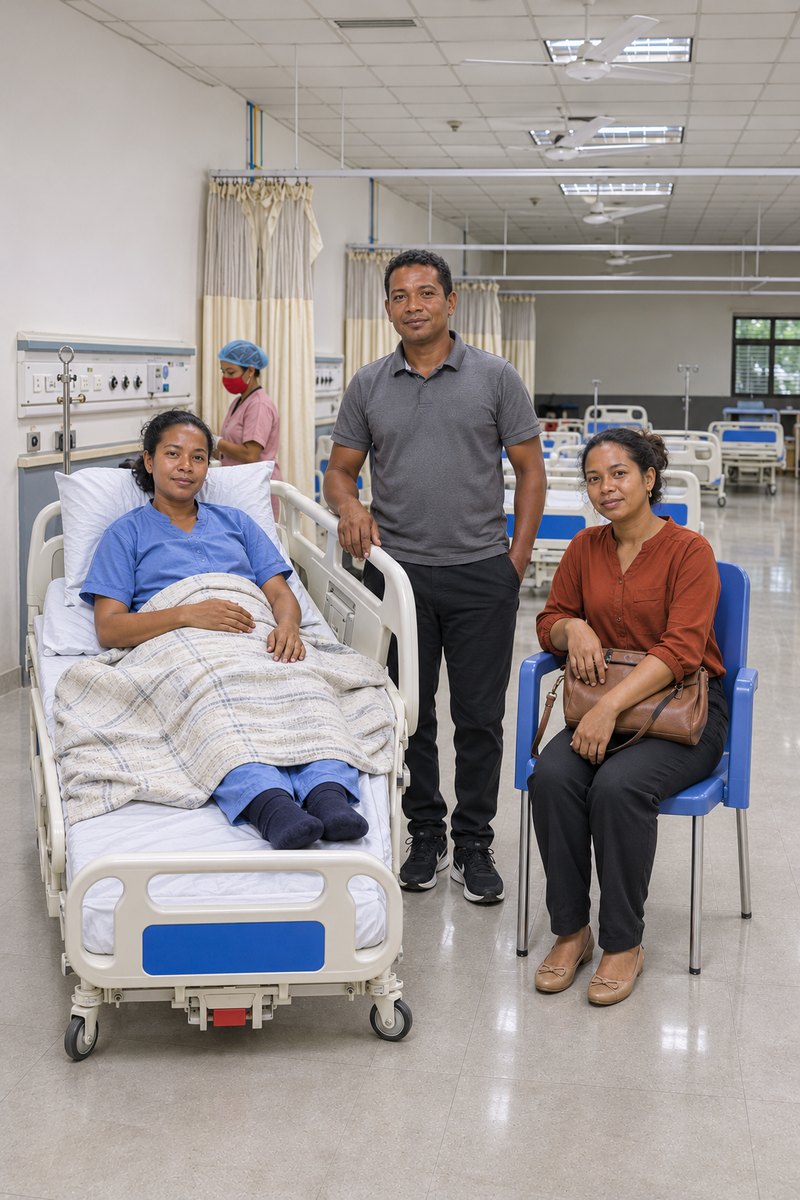
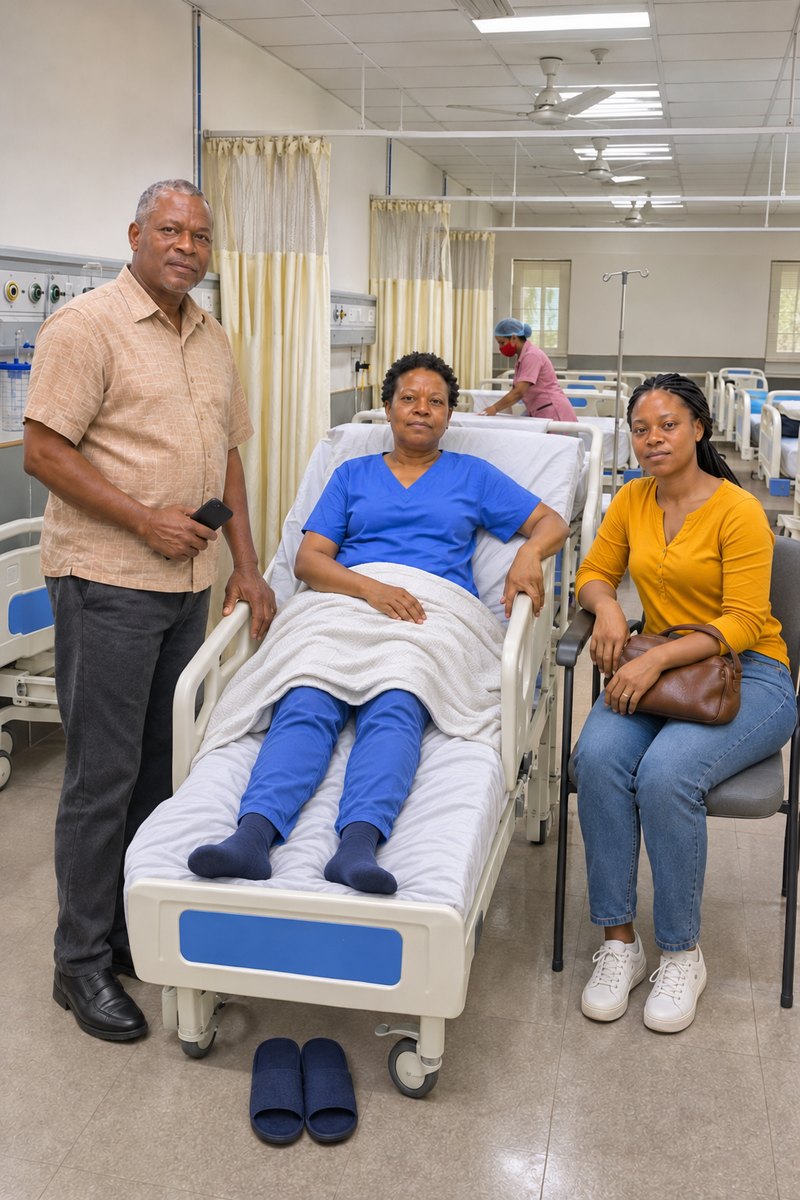
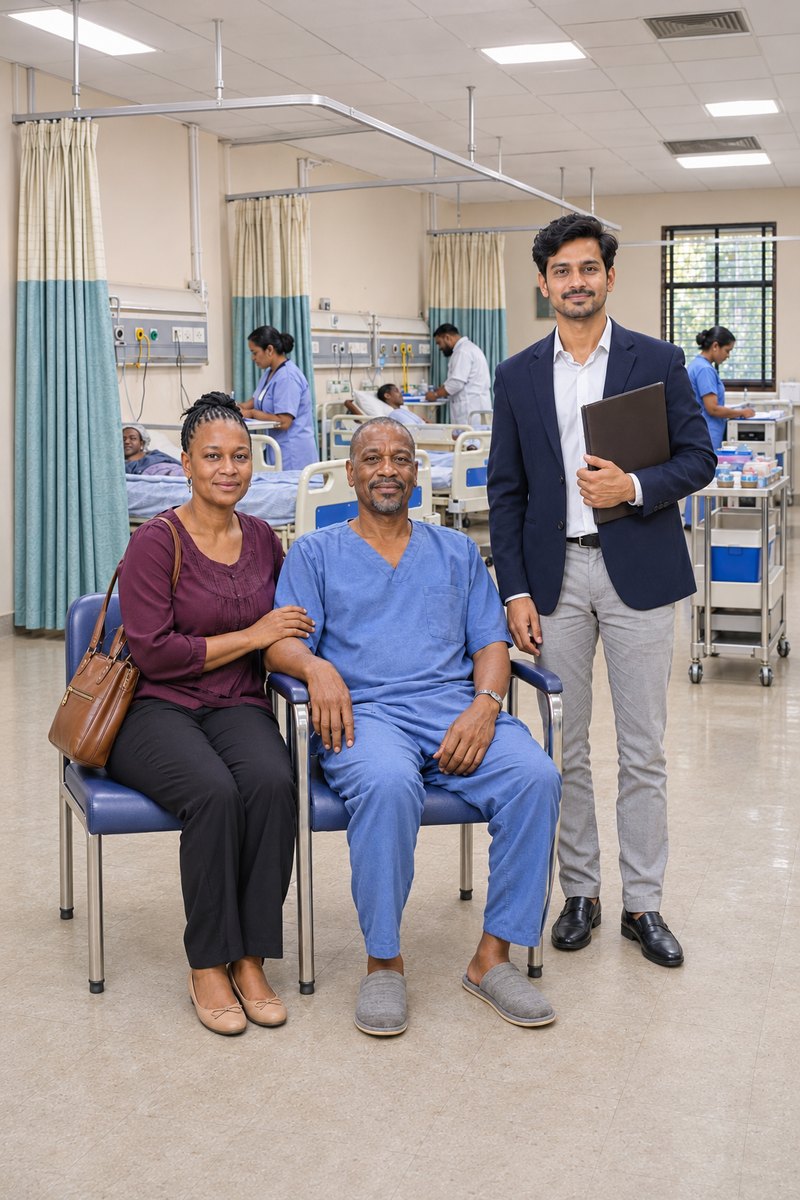
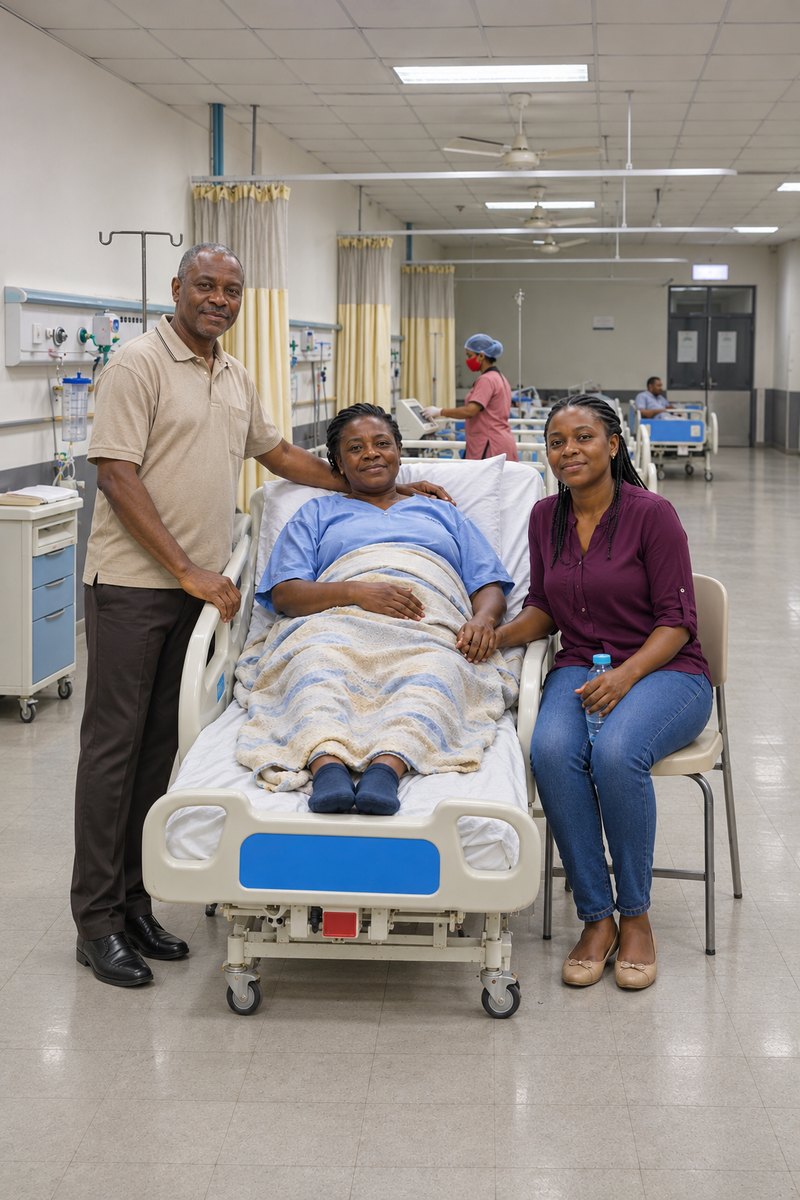
Miora Rakotomalala adjusted the edge of the blanket while her sister placed her bag beside the visitor's chair. Her husband had stayed close to the bedside. In the shared ward in Mumbai, the 36-year-old from Madagascar was listening to ordinary sounds around her: staff moving between beds and families speaking quietly. The setting was unfamiliar, but having her own people nearby made the afternoon feel less distant from home.
The family had contacted the India Cardiac Surgery Team while exploring LVAD Implantation Surgery in India. Miora wanted to understand what assessment would involve before assuming that a device was suitable for her. Her husband and sister had questions of their own about supporting her. The coordination team helped arrange a specialist review and discuss how the family could organise their visit together.
Preparing to travel meant gathering records and making room for difficult conversations. Miora did not want every family discussion to become a list of things that might go wrong. Her sister helped organise paperwork, and her husband kept practical details together. The team supported appointments and accommodation arrangements in Mumbai, leaving them better able to focus on the clinical questions they needed the hospital specialists to answer.
At assessment, the treating team reviewed Miora's condition and explained the proposed care, including suitability, risks and the support it could require. She asked about the implications for everyday life and what her family would need to learn. This was not a decision she wanted to rush. The conversations gave them a chance to discuss responsibilities together and clarify the practical questions that followed from medical advice.
In this illustrative account, Miora proceeded with the agreed LVAD Implantation Surgery in India following assessment. During the hospital stay, the family worked with the clinical staff to understand her care and any teaching the team considered necessary. The India Cardiac Surgery Team supported coordination around their visit. Her husband and sister offered quiet company, without turning every bedside conversation into a demand for reassurance or a cheerful photograph.
Before planning the return to Madagascar, the family discussed discharge readiness, ongoing care and follow-up with the treating specialists. They asked who would guide them and how questions should be raised. Miora understood that leaving hospital would bring continuing responsibilities, rather than a simple ending to treatment. Having her family involved in those conversations helped her look towards the next stage with a more realistic sense of what support meant.
Reflecting on her journey, Miora shared:
"I needed time to think about how this could fit into everyday life. It helped that my husband and sister heard the explanations with me. We could ask about the things we would actually be doing, rather than trying to remember everything later. I wanted us to understand the responsibilities together."
The India Cardiac Surgery Team wishes Miora and her family continued comfort and strength, and remains available to help coordinate practical arrangements around the care advised by the treating specialists.