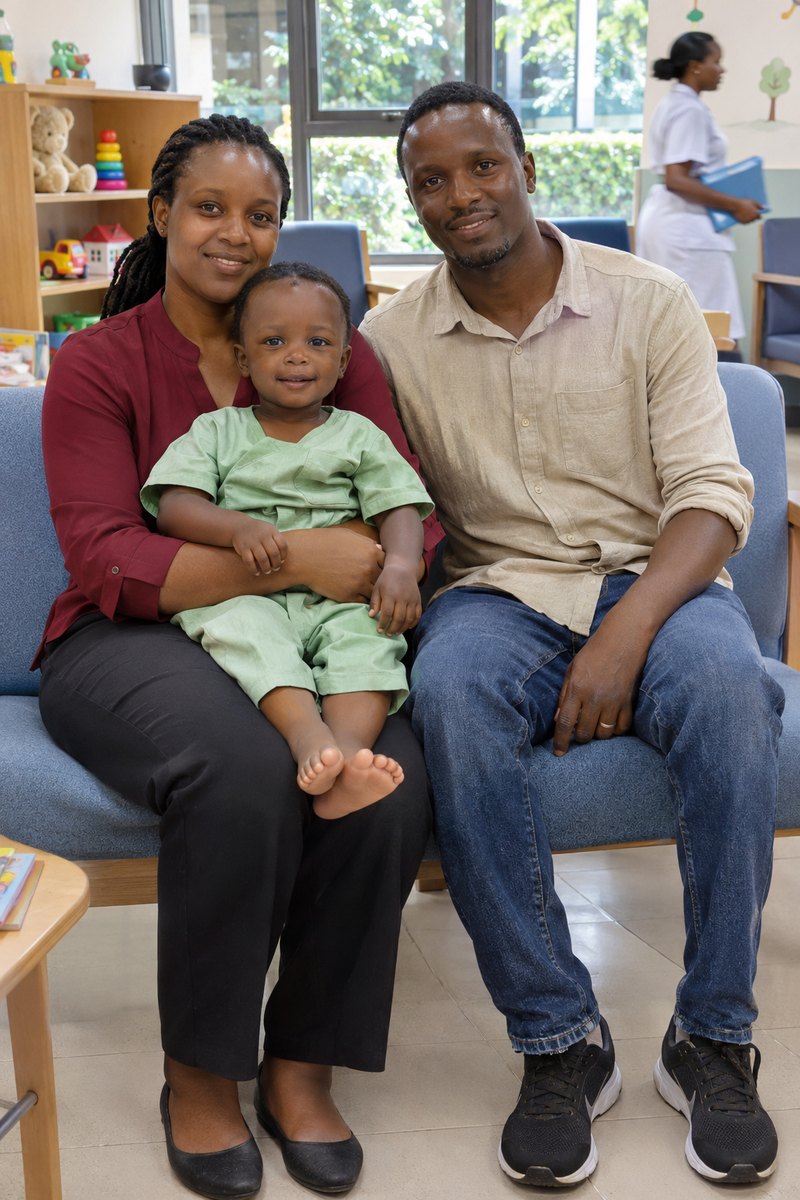
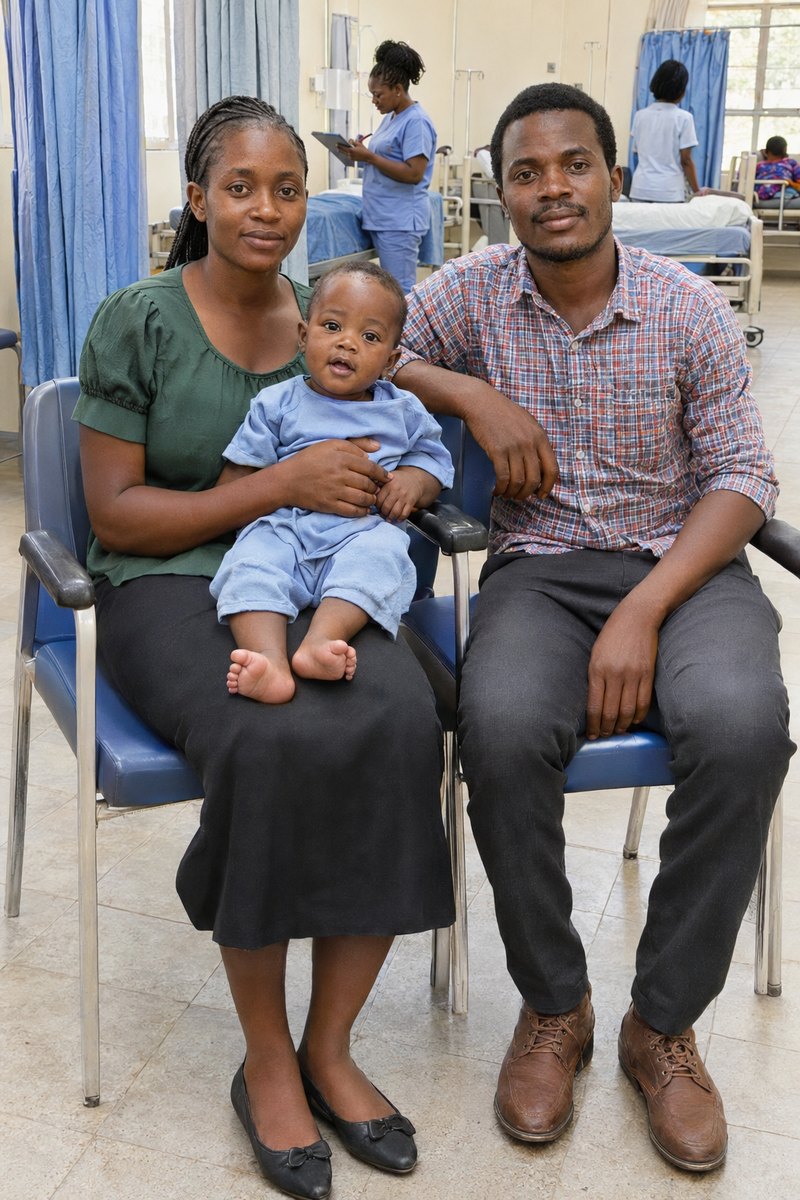
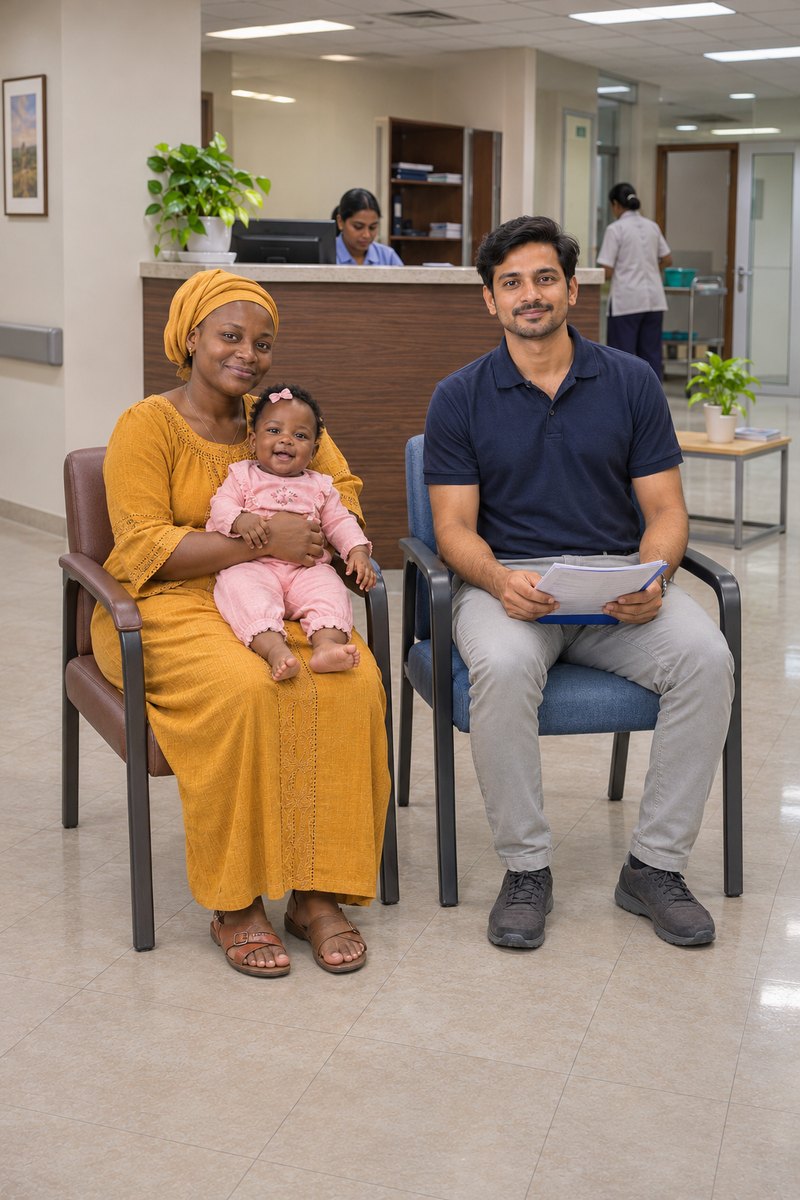
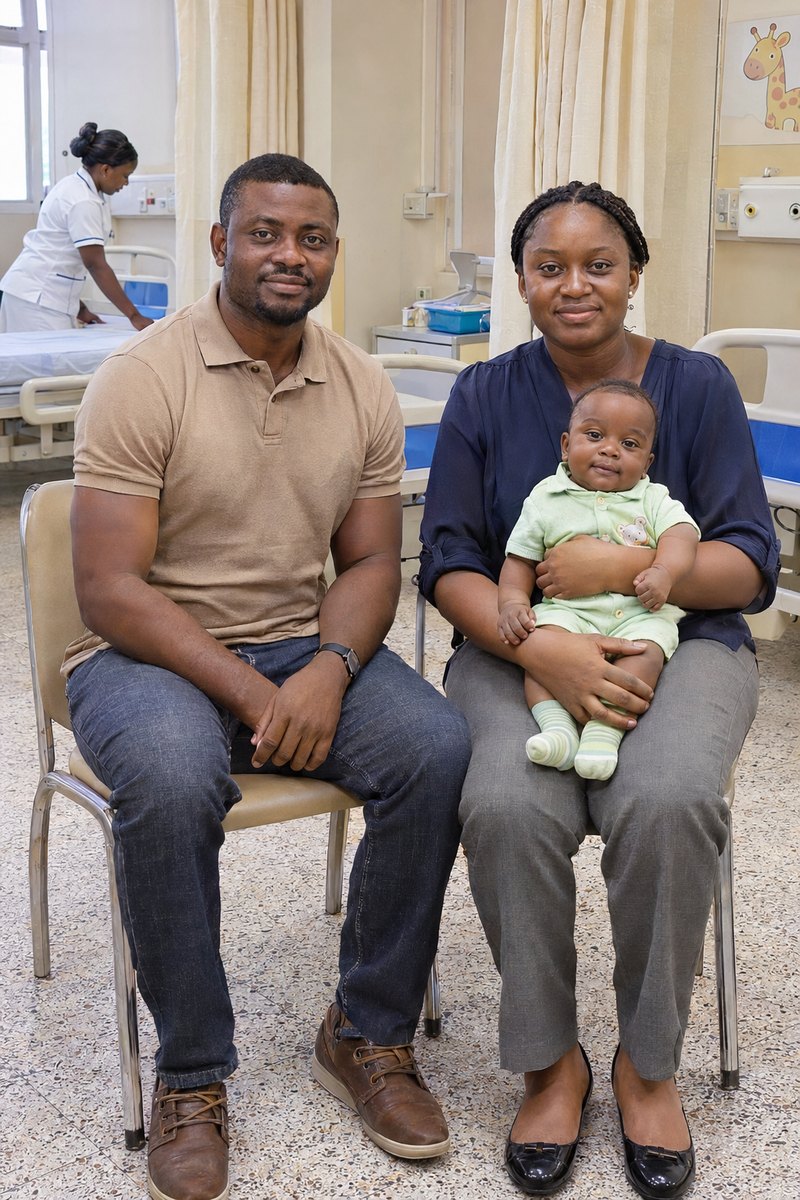
The little green outfit was folded on the chair beside Jean Uwimana's mother when she checked their appointment details again. Her one-year-old son was resting against her, while his father kept the document folder within reach. In that quiet moment in Mumbai, the family from Rwanda were thinking about the next conversation with the doctors, rather than trying to look brave for one another.
Before considering Arterial Switch Operation ASO Surgery in India, Jean's parents had struggled to absorb unfamiliar medical words while caring for a small child. His mother wanted explanations she could follow without constantly searching for definitions. His father worried about making decisions away from home. They contacted the India Cardiac Surgery Team to help organise a specialist assessment and understand how a visit might work.
The coordination conversations gave the parents a place to raise practical worries alongside their medical questions. They discussed travelling together, keeping Jean's records organised and finding suitable accommodation in Mumbai. Neither parent expected the journey to be effortless. What helped was knowing which questions belonged with the treating doctors and having support to reach the appropriate people when something remained unclear.
At the hospital, the paediatric cardiac team reviewed Jean's history and present condition before discussing the proposed approach. His parents asked about suitability, risks and what care might involve afterwards. They took turns listening and attending to him, then compared what each had understood. The doctors' assessment guided the decisions; the coordination team helped the family manage arrangements around those clinical conversations.
In this illustrative family story, Jean underwent the planned Arterial Switch Operation ASO Surgery in India following assessment. His parents stayed involved in discussions during his hospital care and recovery. Small routines mattered: holding him when appropriate, keeping his familiar things nearby and asking staff before changing anything they were unsure about. His mother appreciated being treated as a parent with questions, rather than someone expected to understand everything immediately.
Planning the return to Rwanda involved another careful conversation about ongoing care, medicines and follow-up. Jean's parents went through the instructions with the treating team and made sure they knew whom to contact. The India Cardiac Surgery Team supported the practical preparations. There was relief, but also a realistic understanding that their son's care would continue after the journey home, within the plan his clinicians recommended.
Reflecting on Jean's journey, his parents shared:
"We sometimes heard the same explanation differently because one of us was looking after Jean. Being able to ask again was important. We wanted to go home knowing what his care involved, rather than just carrying a folder we did not understand. That was what we kept coming back to."
The India Cardiac Surgery Team wishes Jean and his family continued comfort and strength, and remains available to help coordinate practical arrangements around the care advised by the treating specialists.