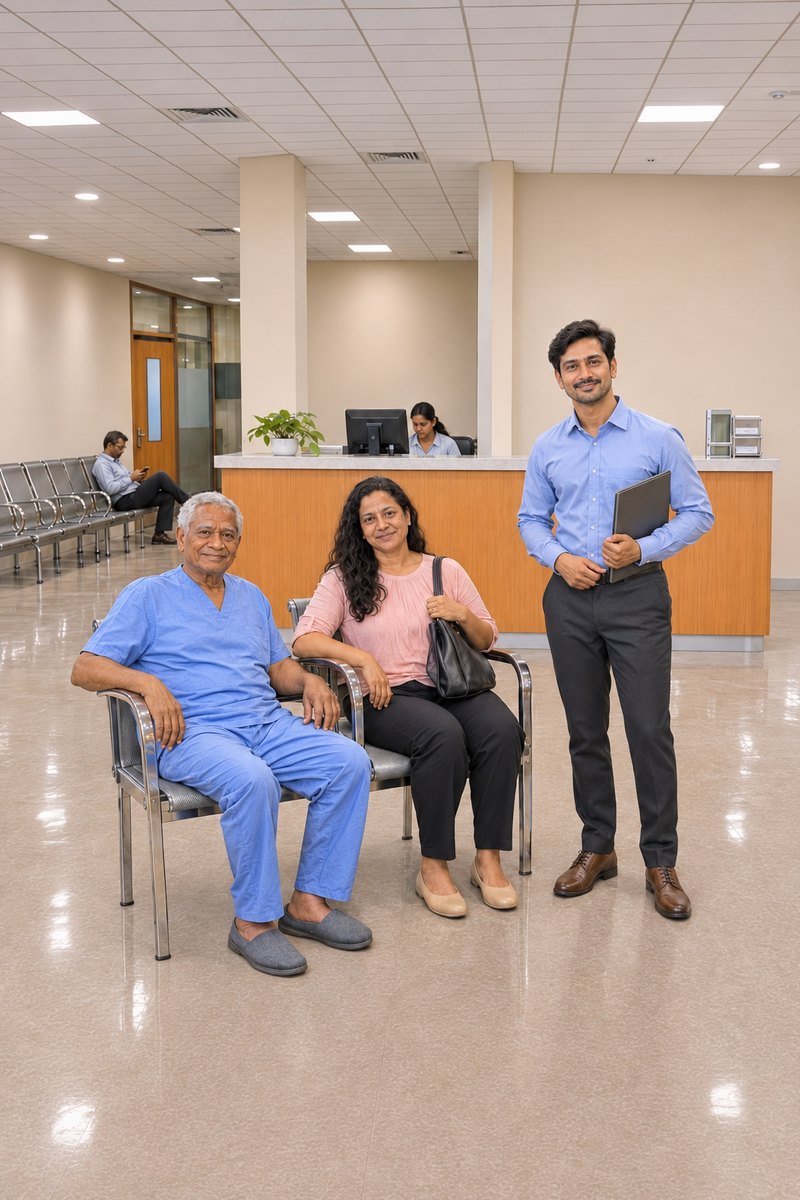
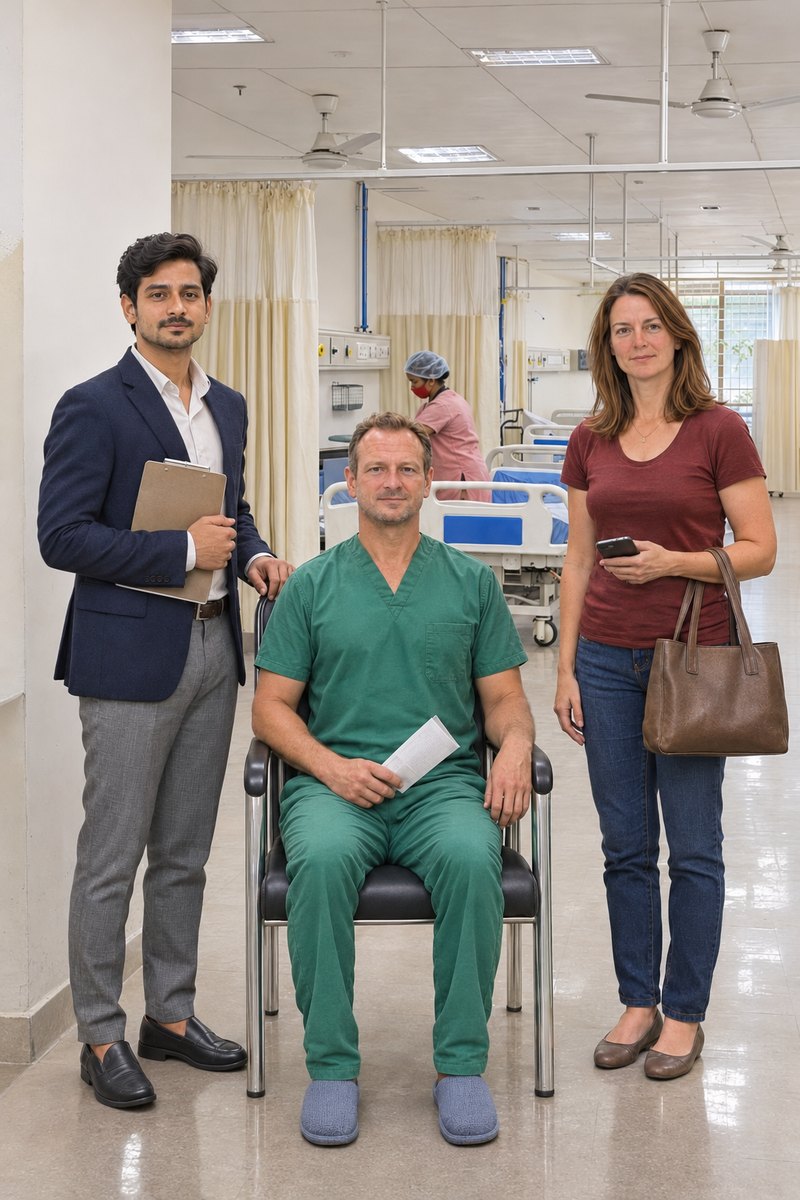
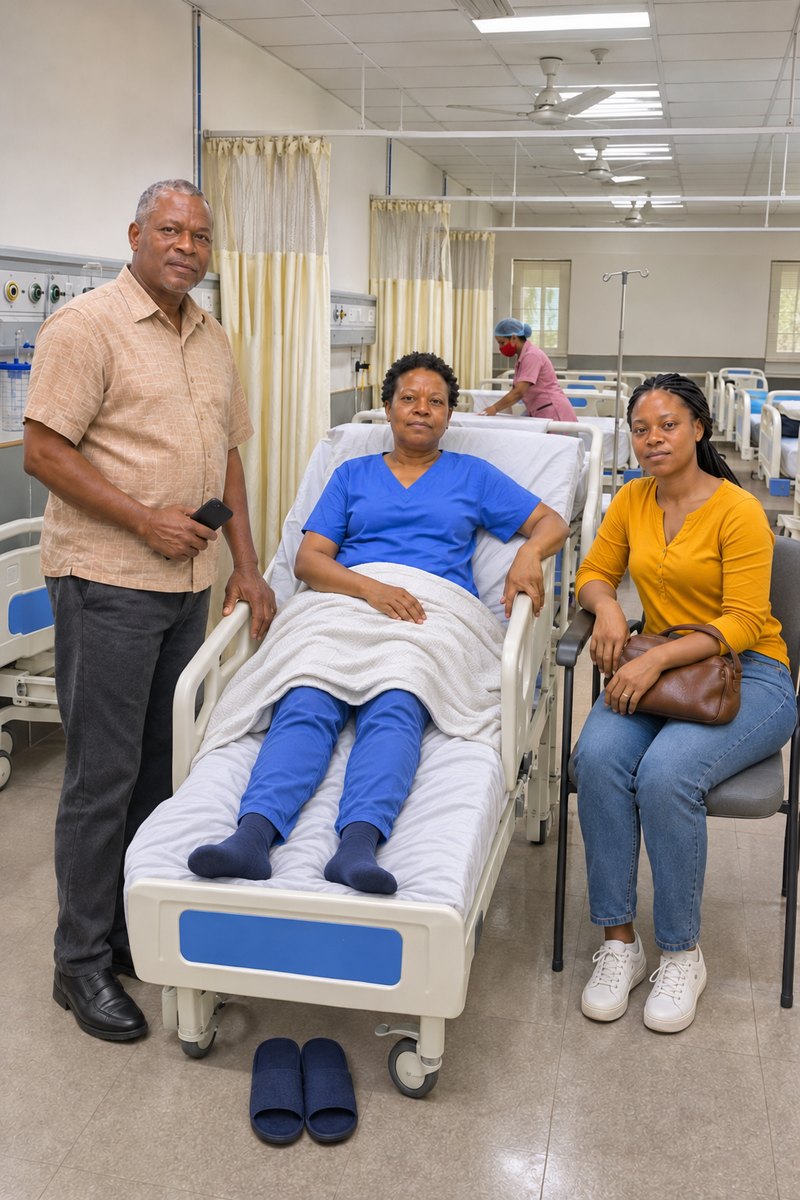
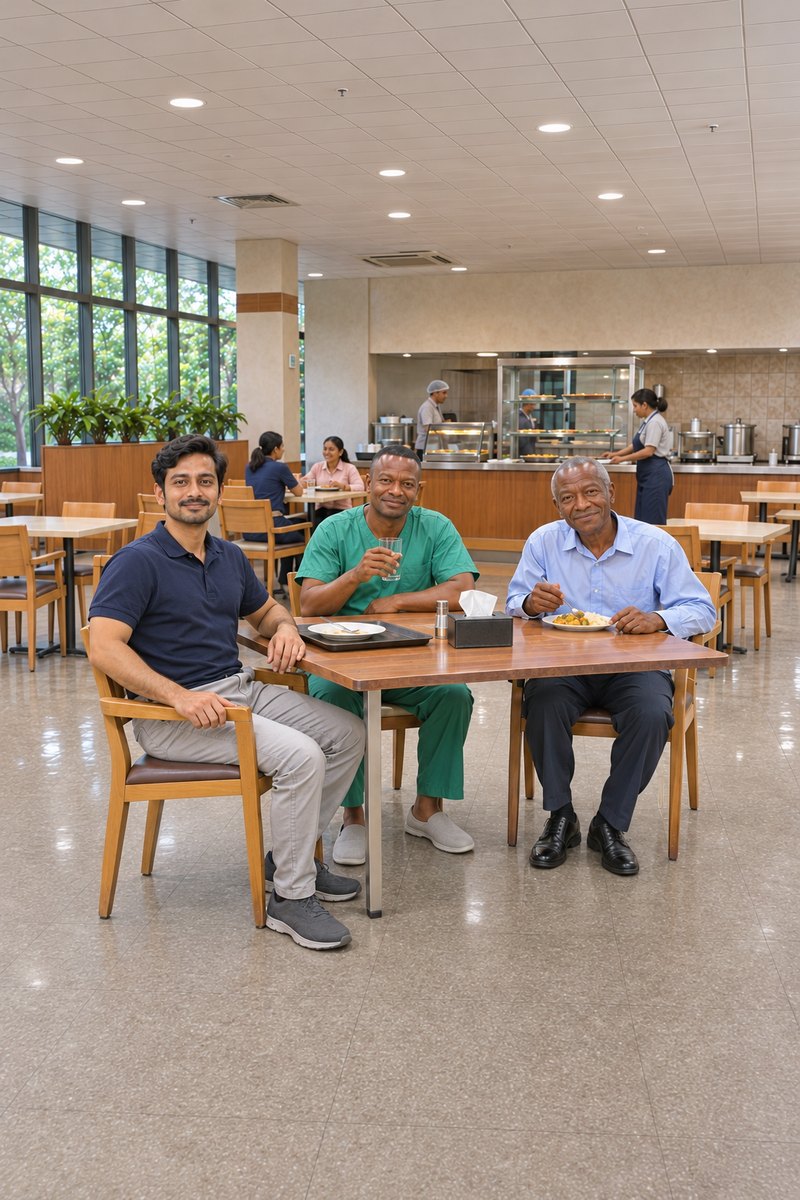
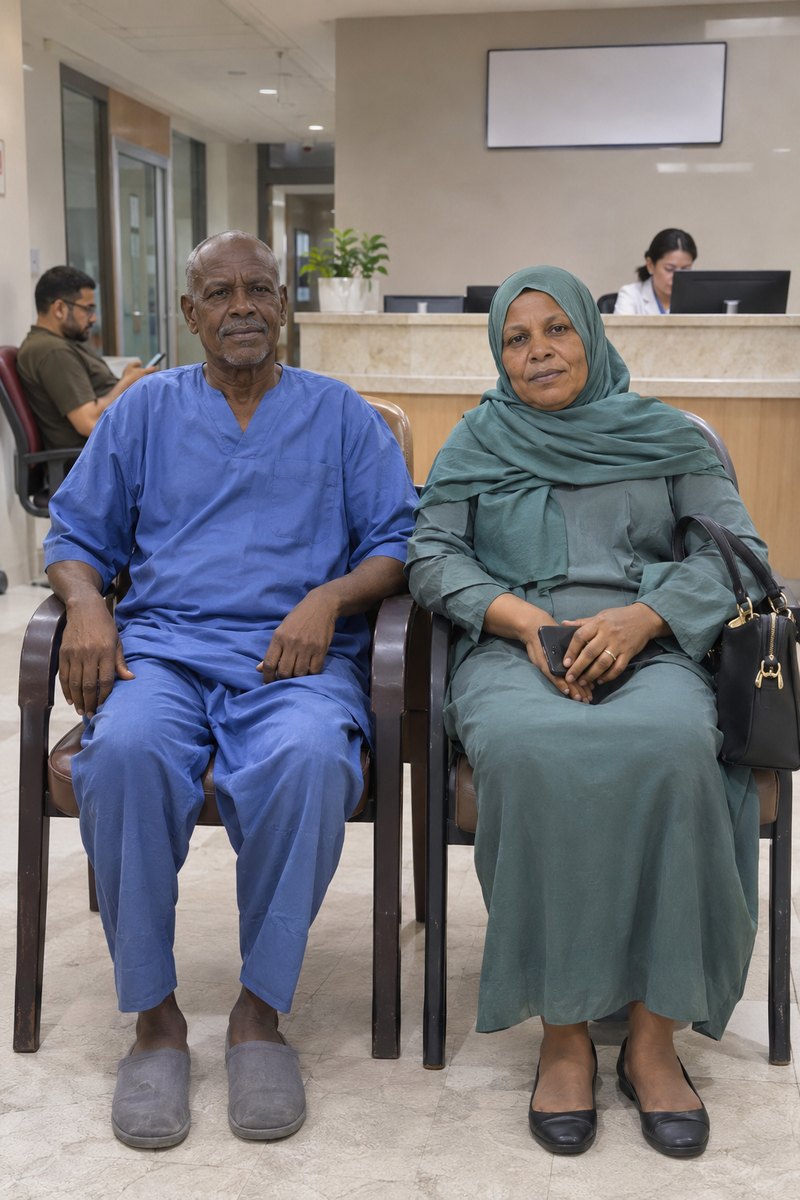
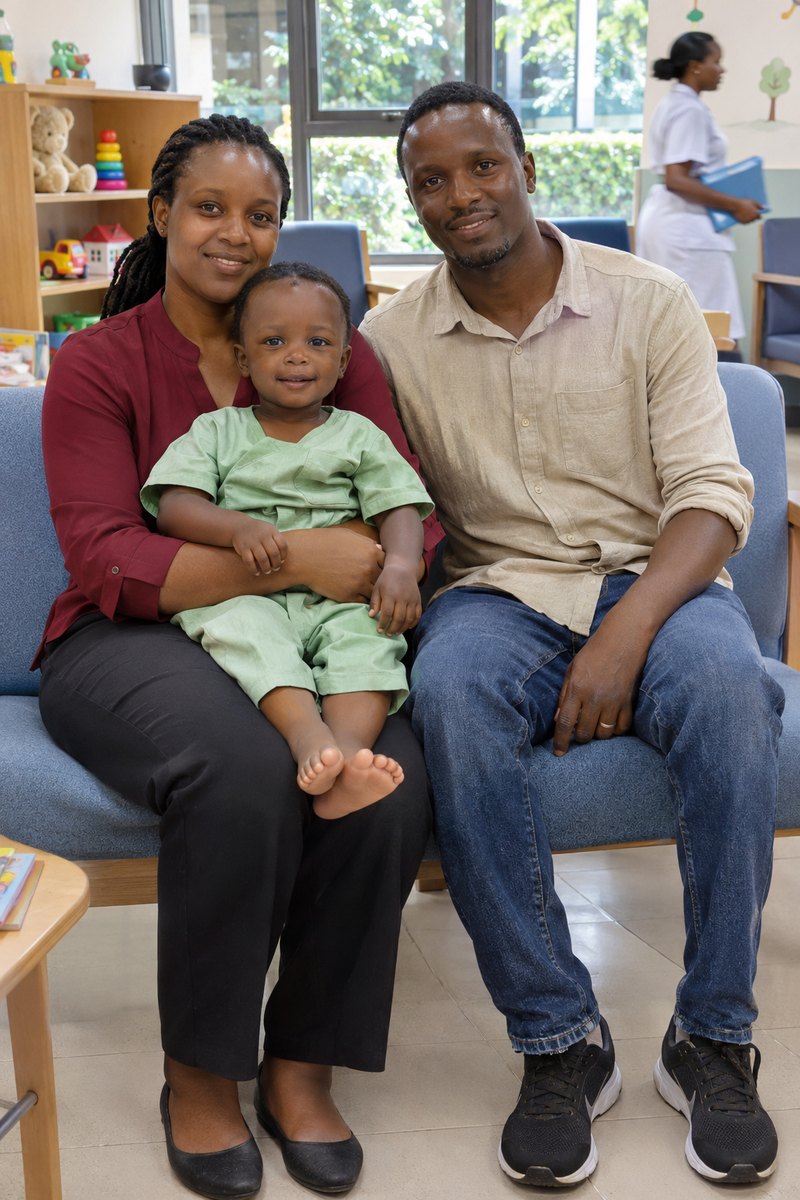
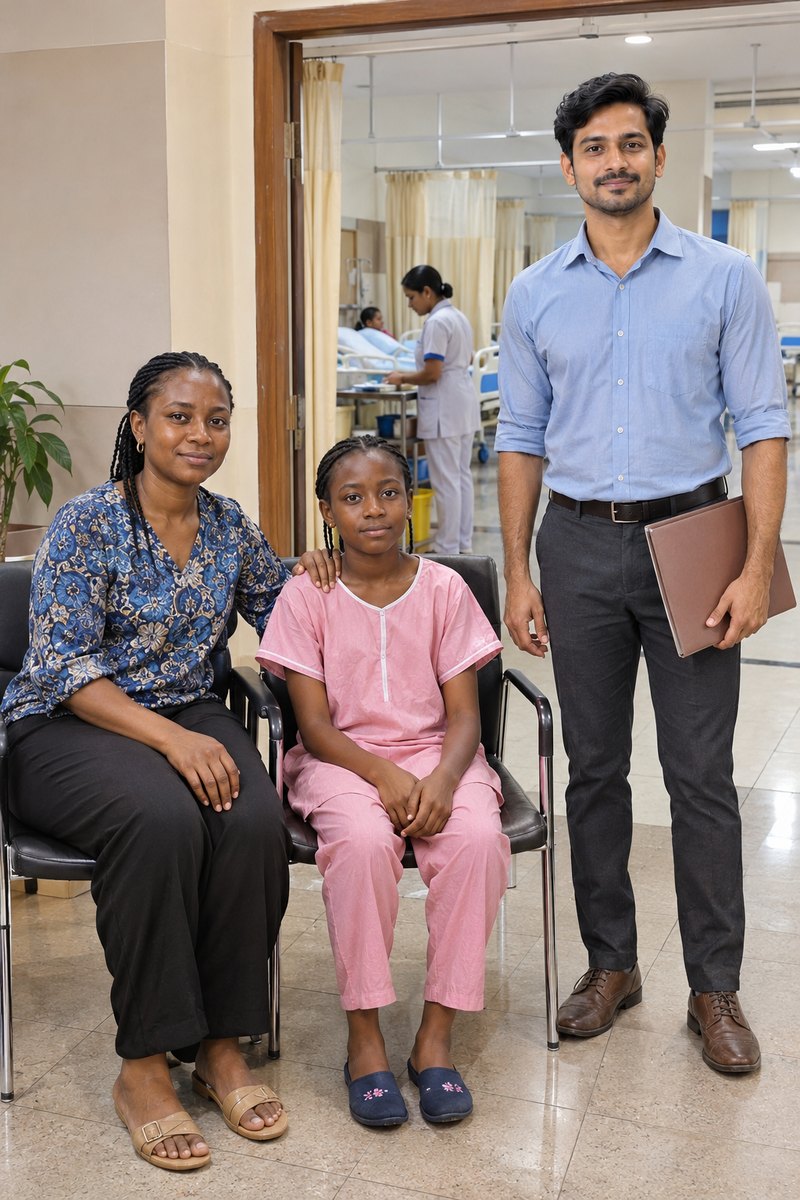
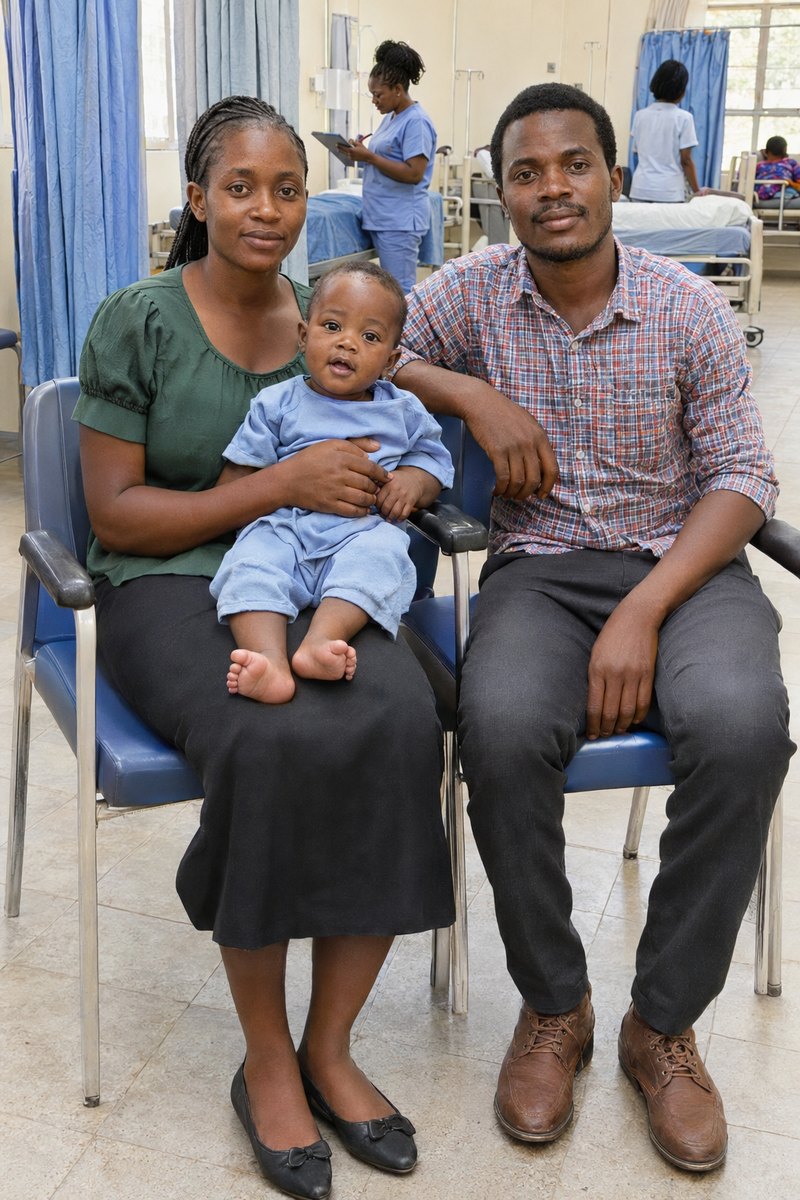
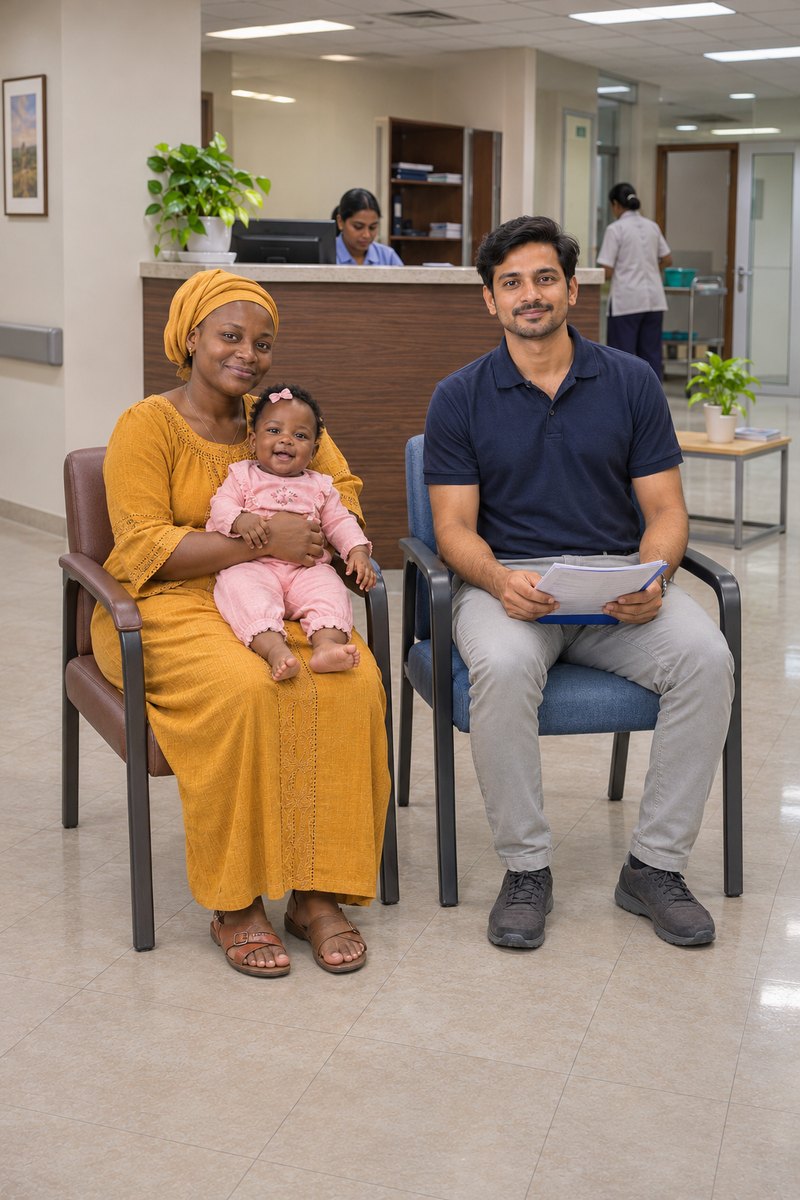
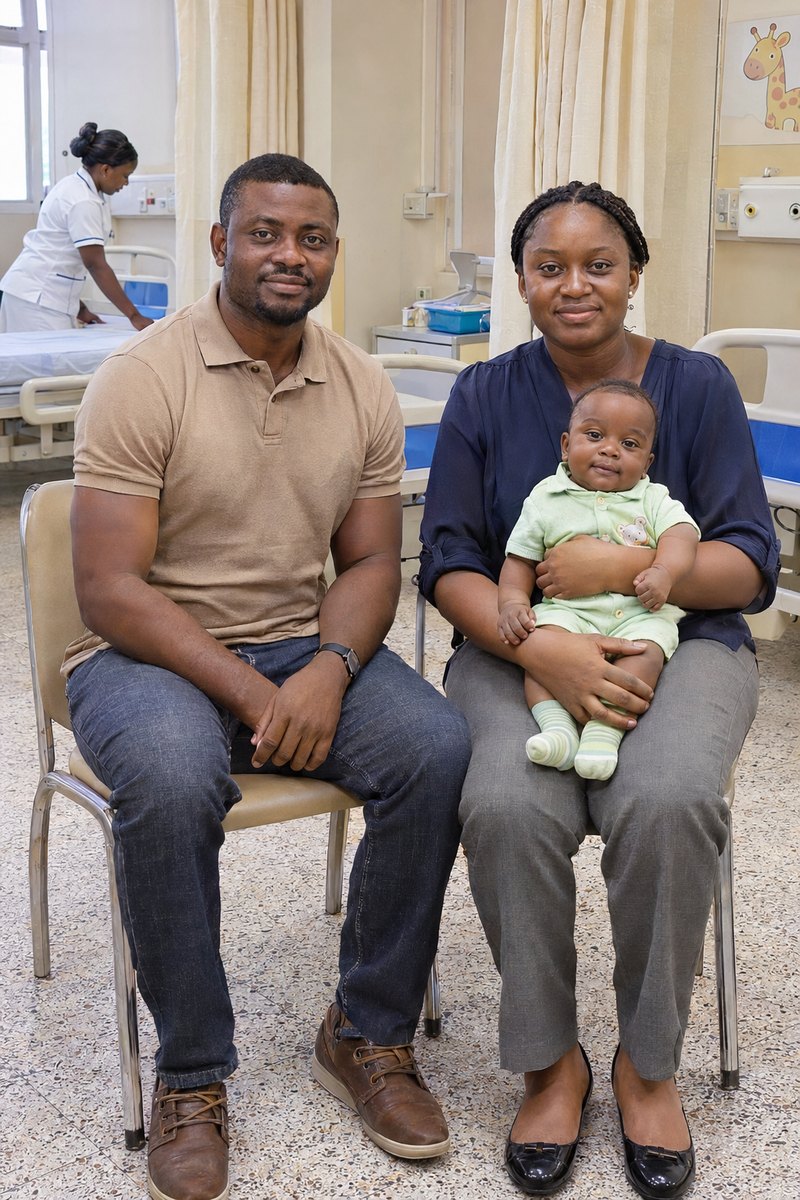
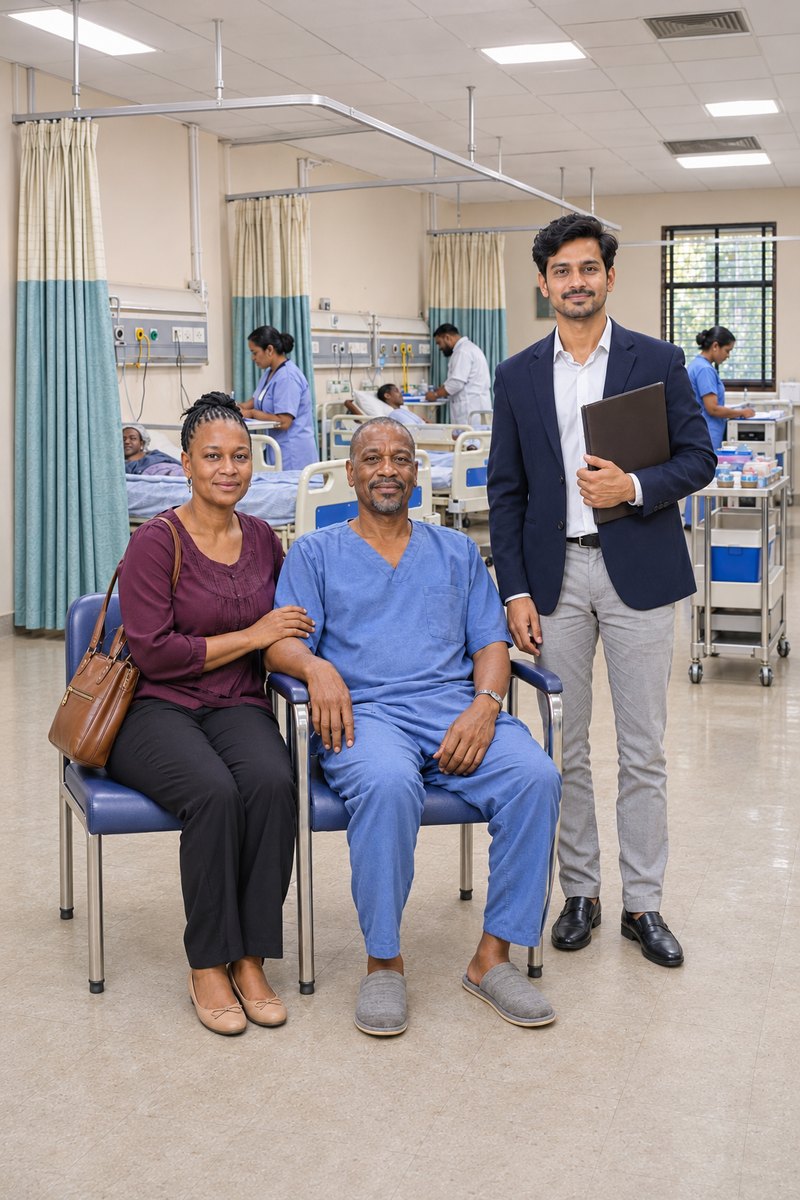
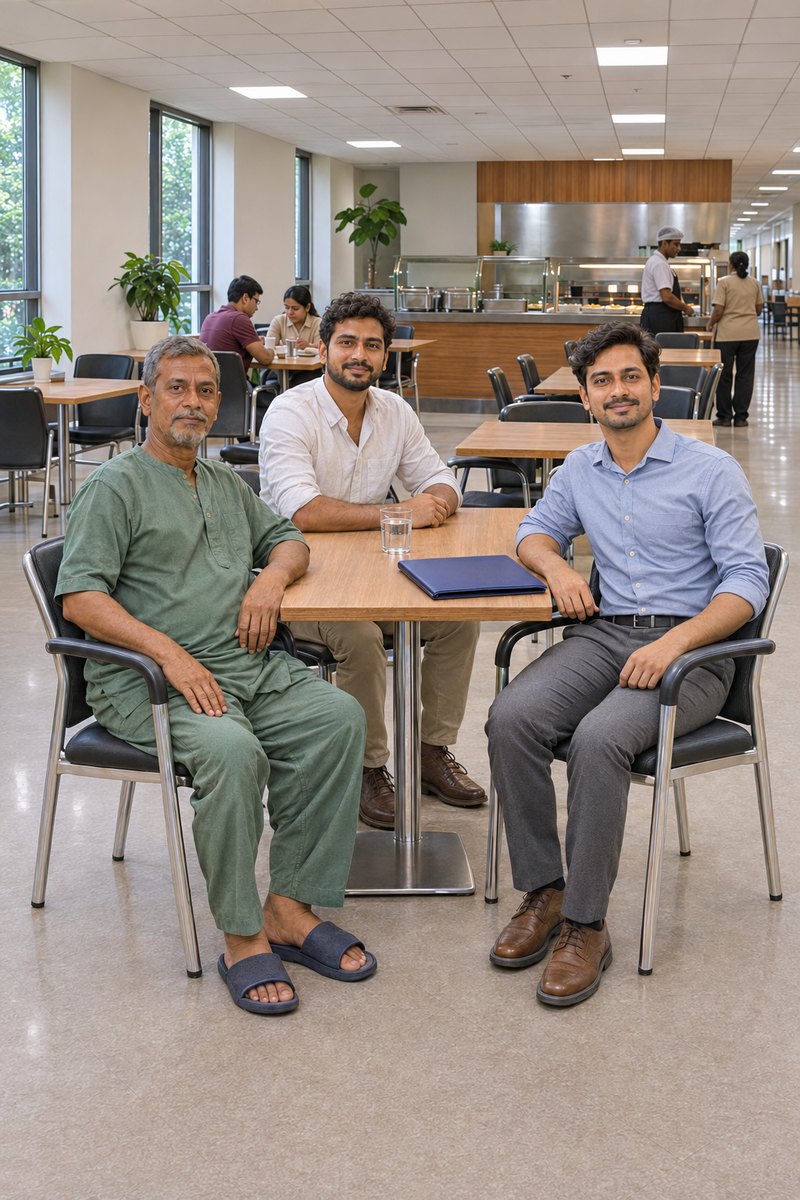
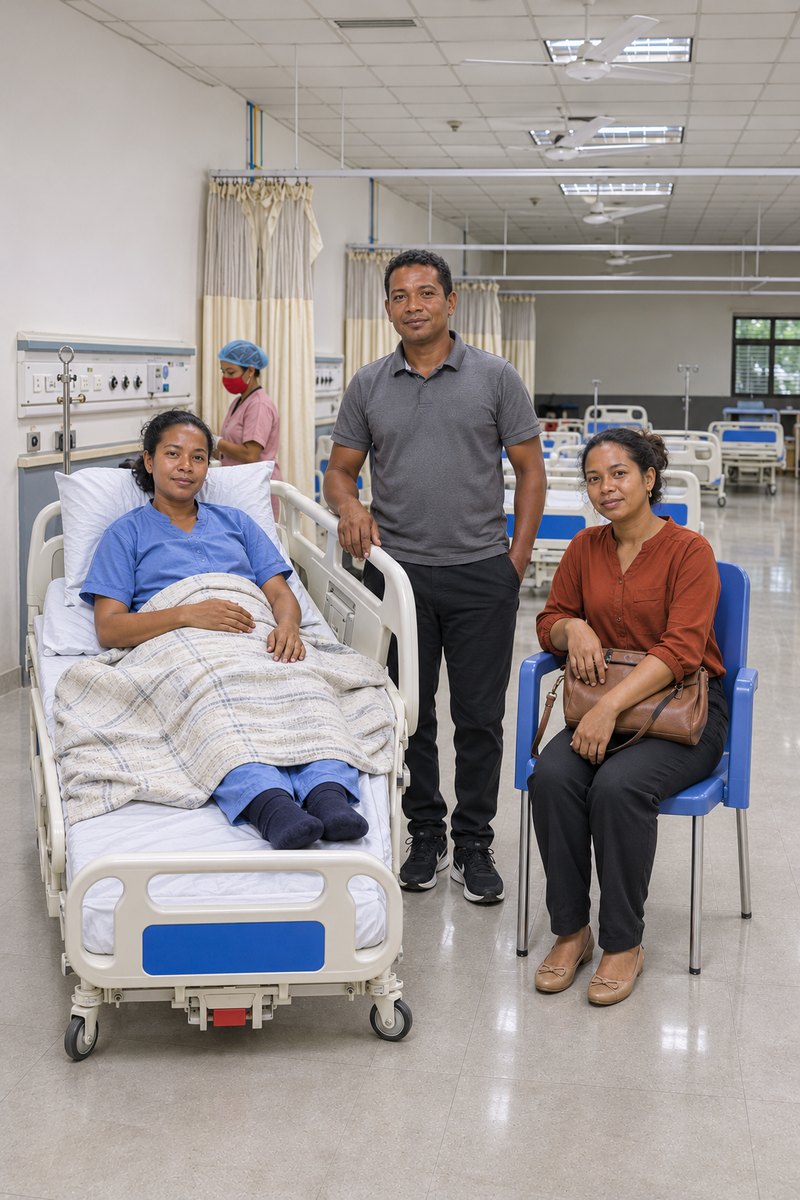
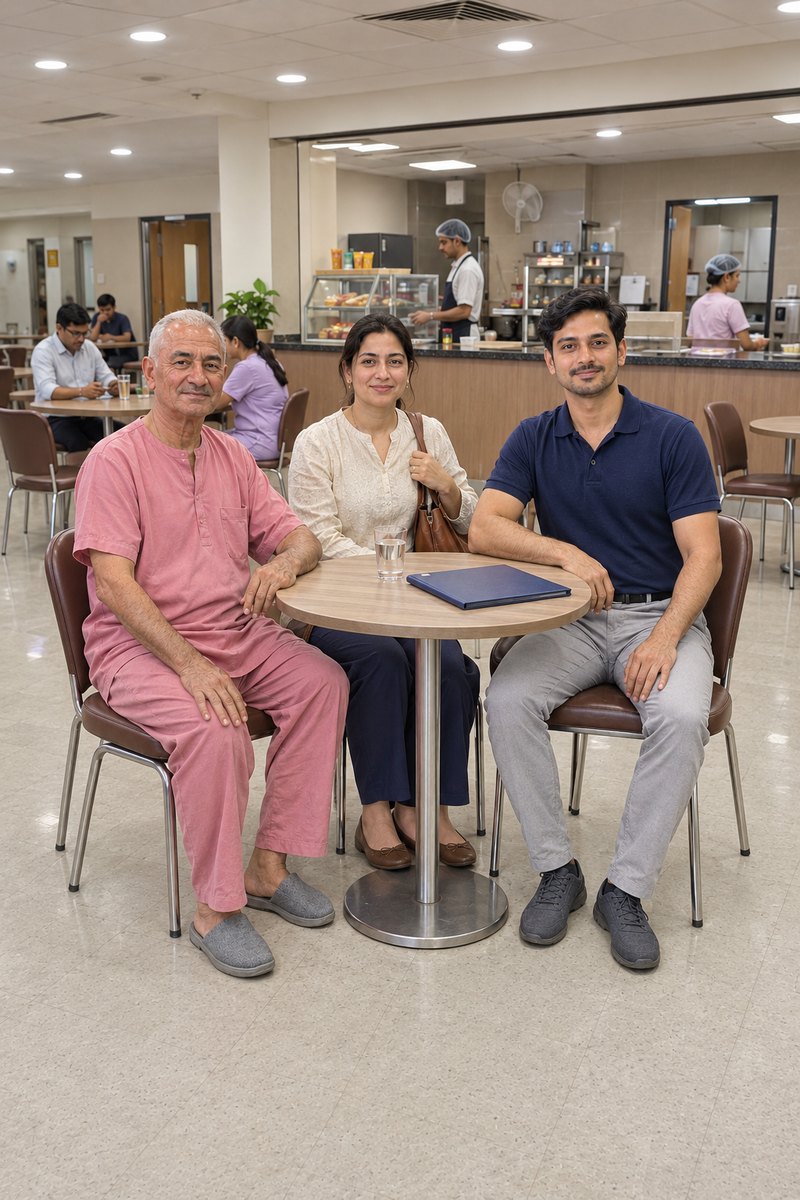
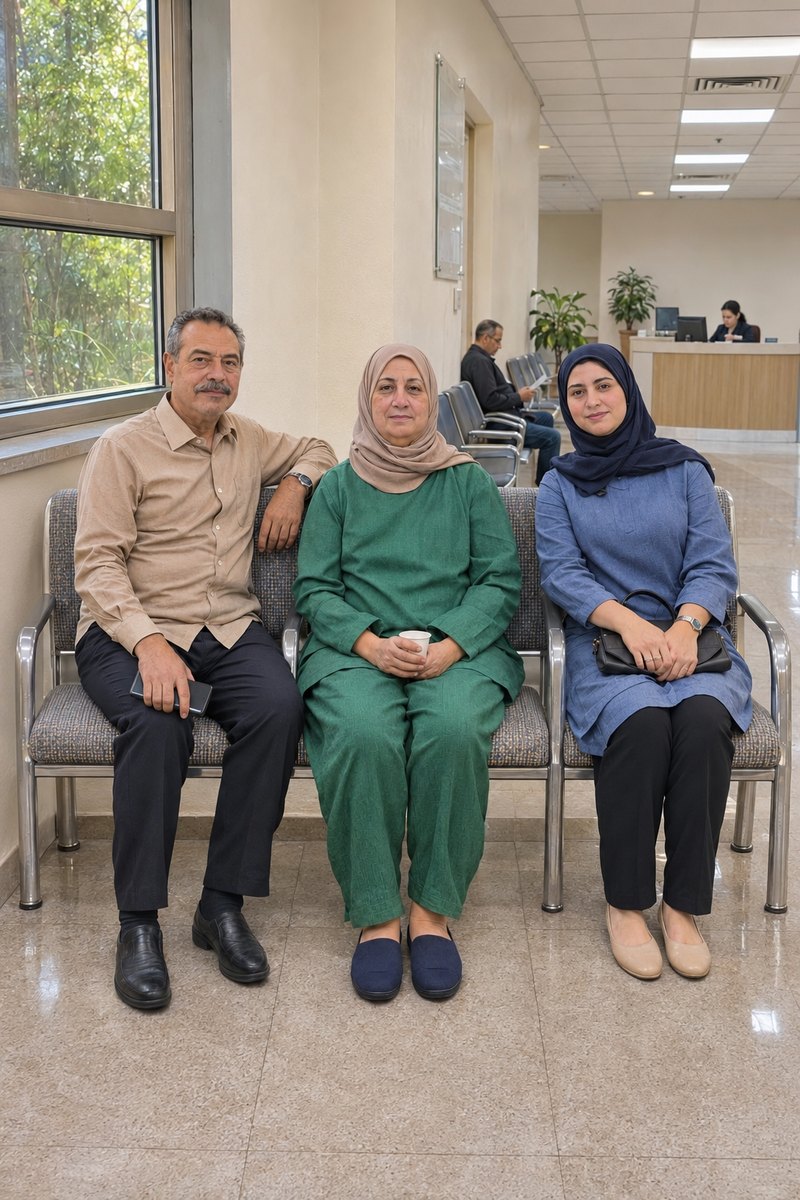
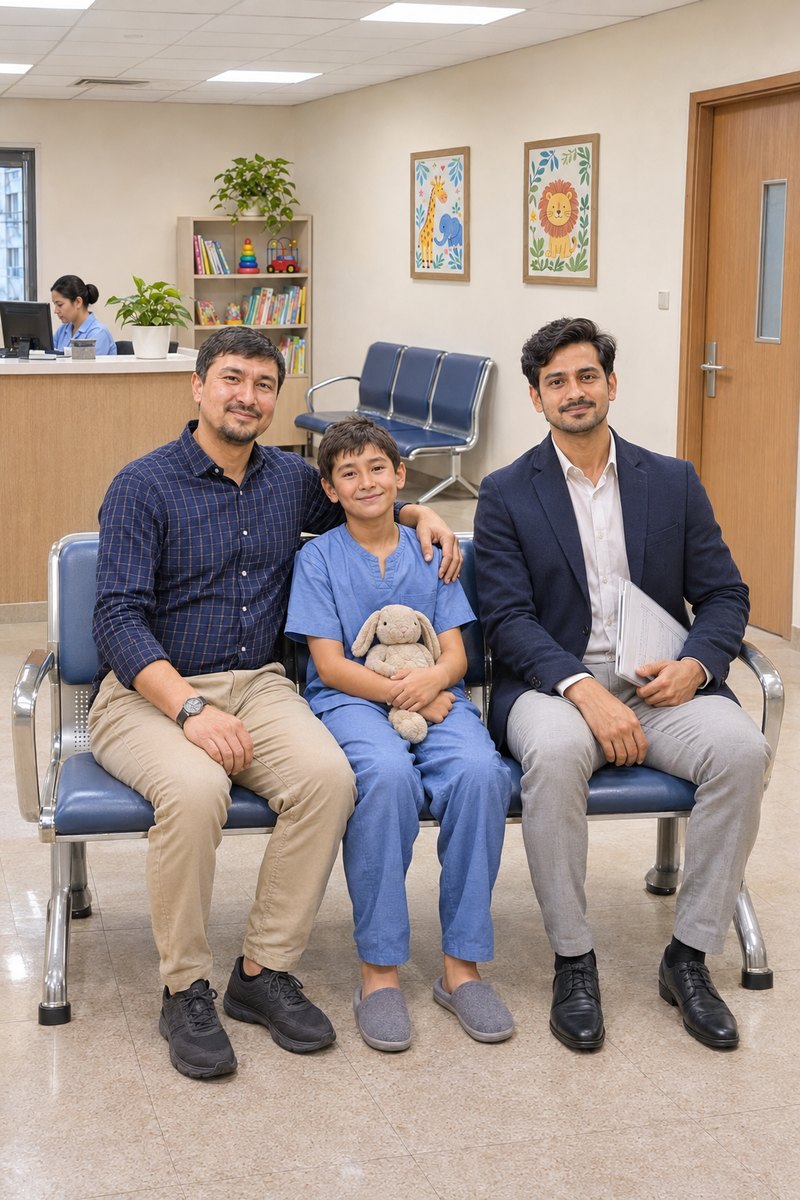
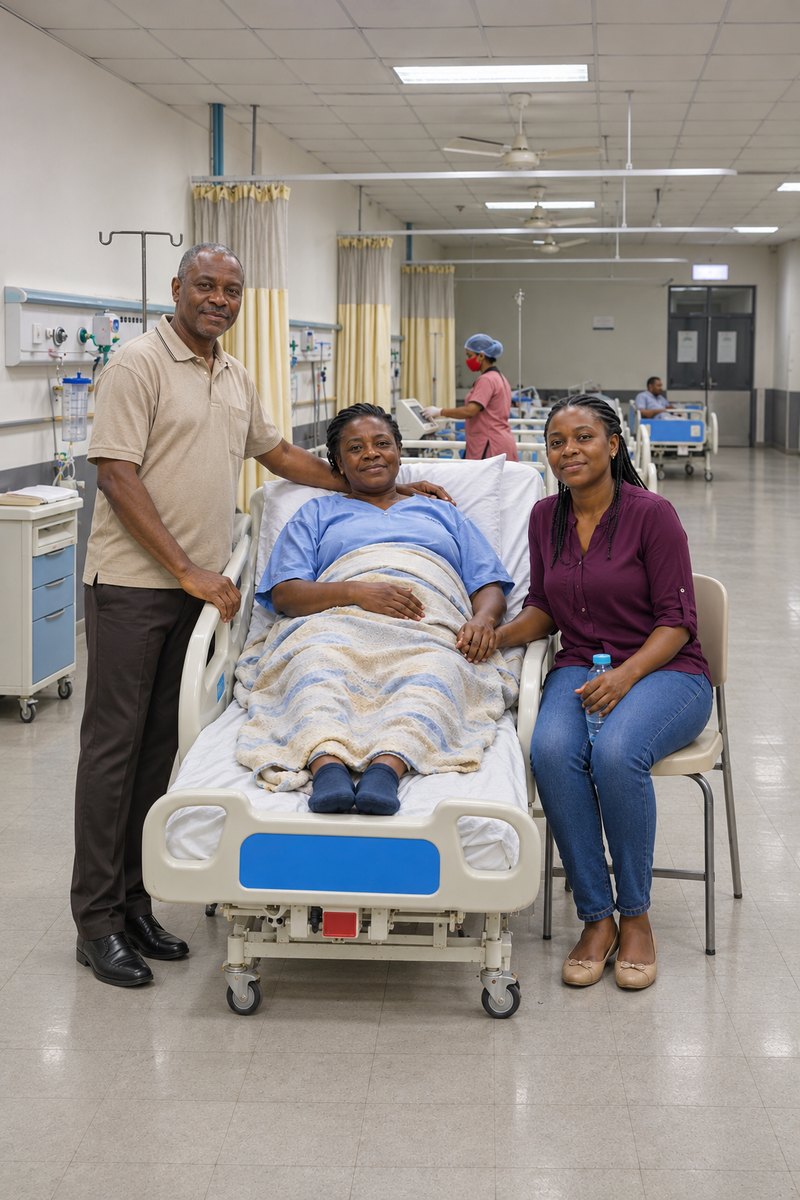
Asha Juma's sister reminded her that the arrangements at home were being handled. Sitting together in Mumbai, the 42-year-old from Tanzania had returned to the same questions: had something been forgotten, and did everyone have what they needed? Her husband smiled at the familiar habit. They had come to support her through treatment, and she was still learning to let them do it.
Before travelling, the family had contacted the India Cardiac Surgery Team about Double Valve Replacement DVR Surgery in India. Asha wanted to understand why two valves needed attention and what recovery might involve. Her husband asked about the journey to Mumbai, while her sister noted down questions that surfaced later. Working through those concerns together helped them prepare without assuming every answer would be available immediately.
The coordination team assisted with appointments, medical visa documentation, airport transfers and accommodation. Both relatives accompanied Asha. Her husband kept the travel documents together, and her sister helped pack familiar clothes for the days around the hospital stay. Those arrangements gave Asha fewer things to keep checking, although accepting that someone else could handle them took a little practice.
At the hospital, the cardiac specialists reviewed her reports and explained the proposed treatment for the two valves. They discussed valve options, potential risks and the continuing care that would be needed afterwards. Asha asked about medicines and follow-up once she returned to Tanzania. Having her husband and sister listen with her meant they could go through the information again later.
Following assessment in this sample journey, Asha underwent the planned Double Valve Replacement DVR Surgery in India. The clinical team supported her early recovery, while her relatives took turns keeping her company. There were quiet periods when she wanted to rest rather than talk. The India Cardiac Surgery Team helped with practical coordination and communication with hospital staff throughout the stay.
As departure approached, the family reviewed the discharge instructions and continuing care plan. Their conversations began to include the help Asha might need at home, rather than only the journey back. She knew she could not immediately take over every task. Letting her husband and sister share those responsibilities was becoming part of how she prepared for the next stage.
Reflecting on her journey, Asha shared:
"My sister knew when I was worrying about things I could leave to someone else. I needed that reminder more than once. Some days I just wanted to sit quietly, and neither of them made me feel I had to be cheerful. Knowing they would keep helping after we got home mattered to me as much as having them in Mumbai."
The India Cardiac Surgery Team wishes Ms. Asha a supported recovery and continued wellbeing, and remains committed to helping international patients and their families coordinate treatment in India with care and clear communication.