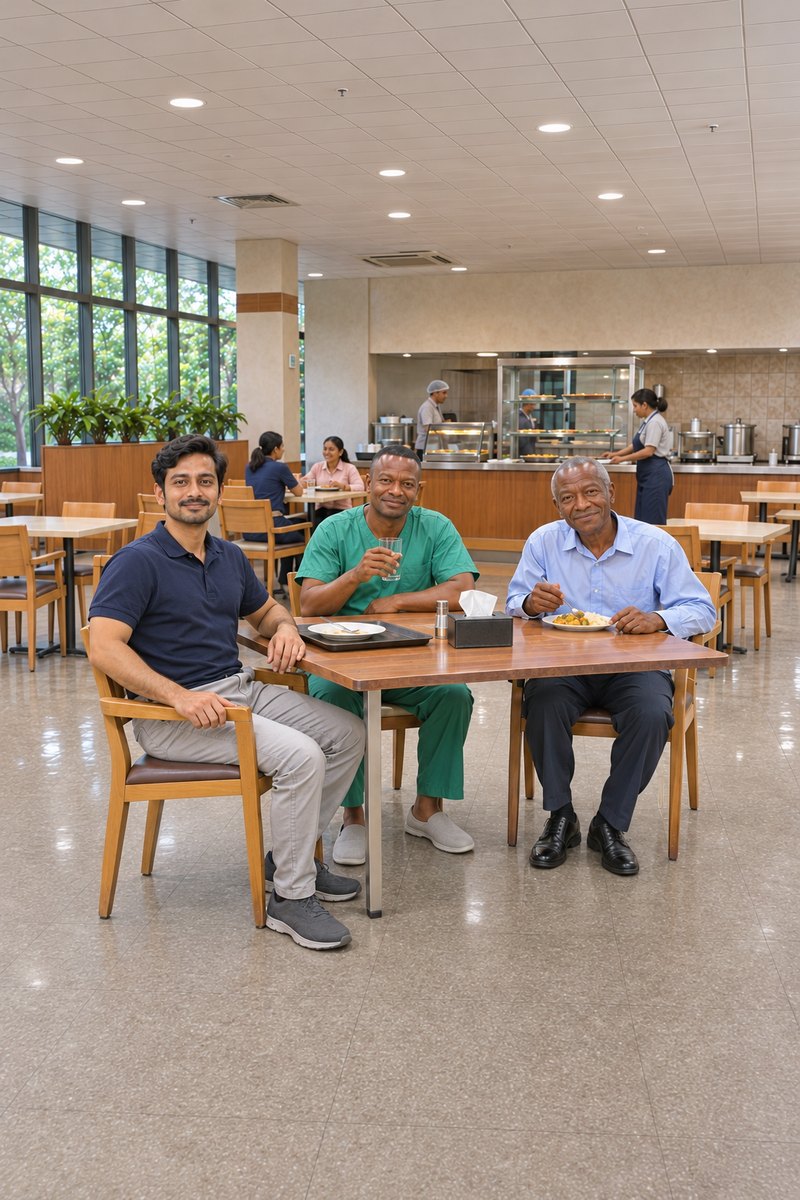
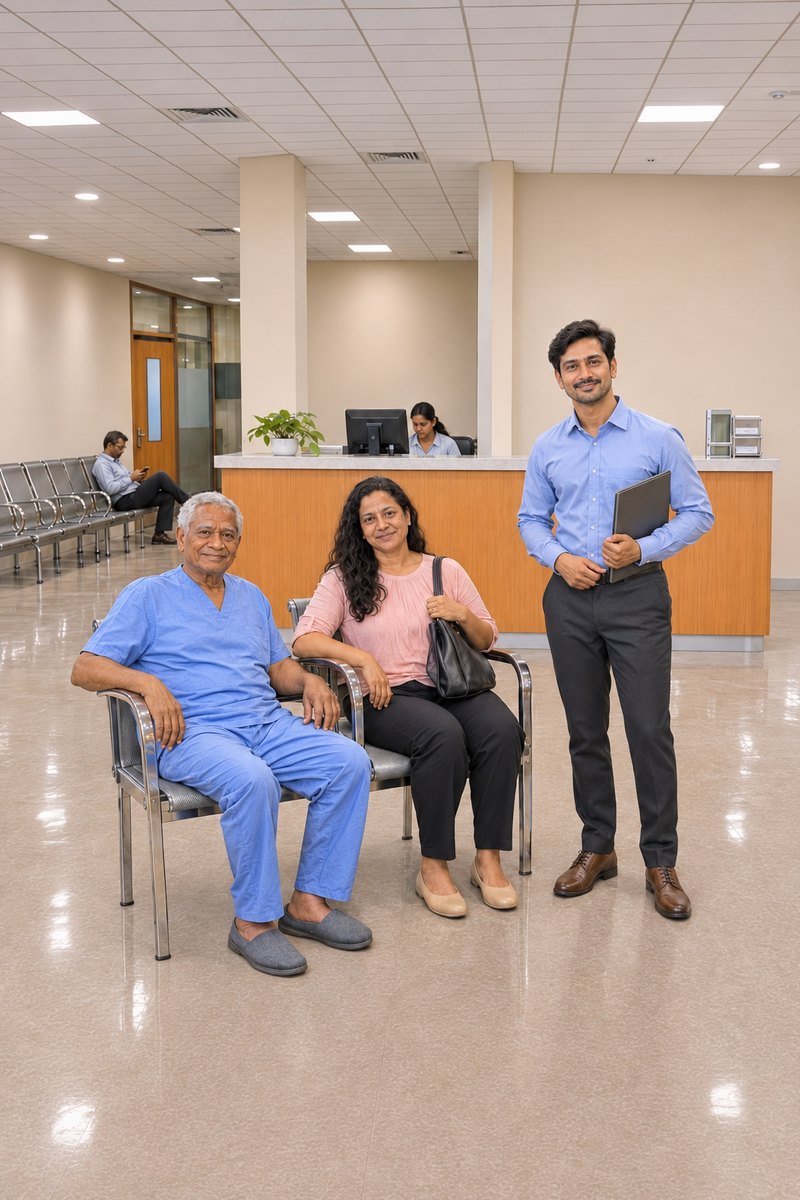
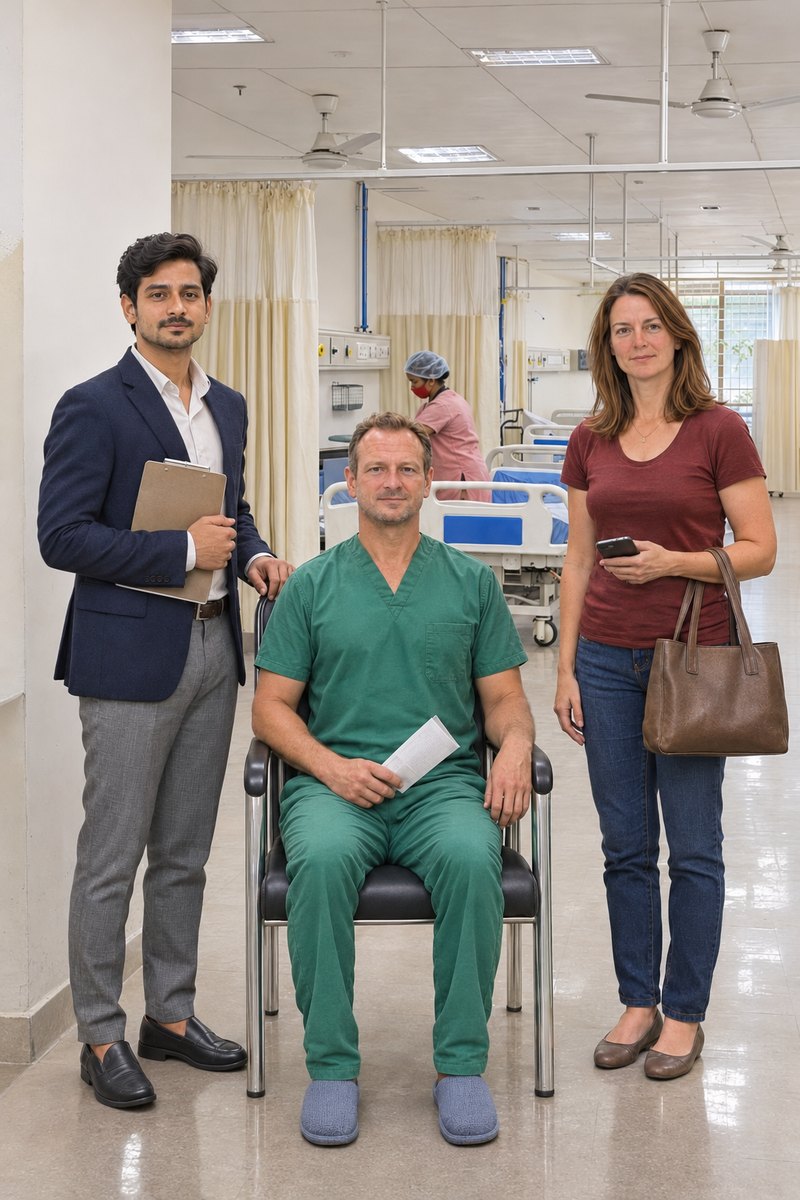
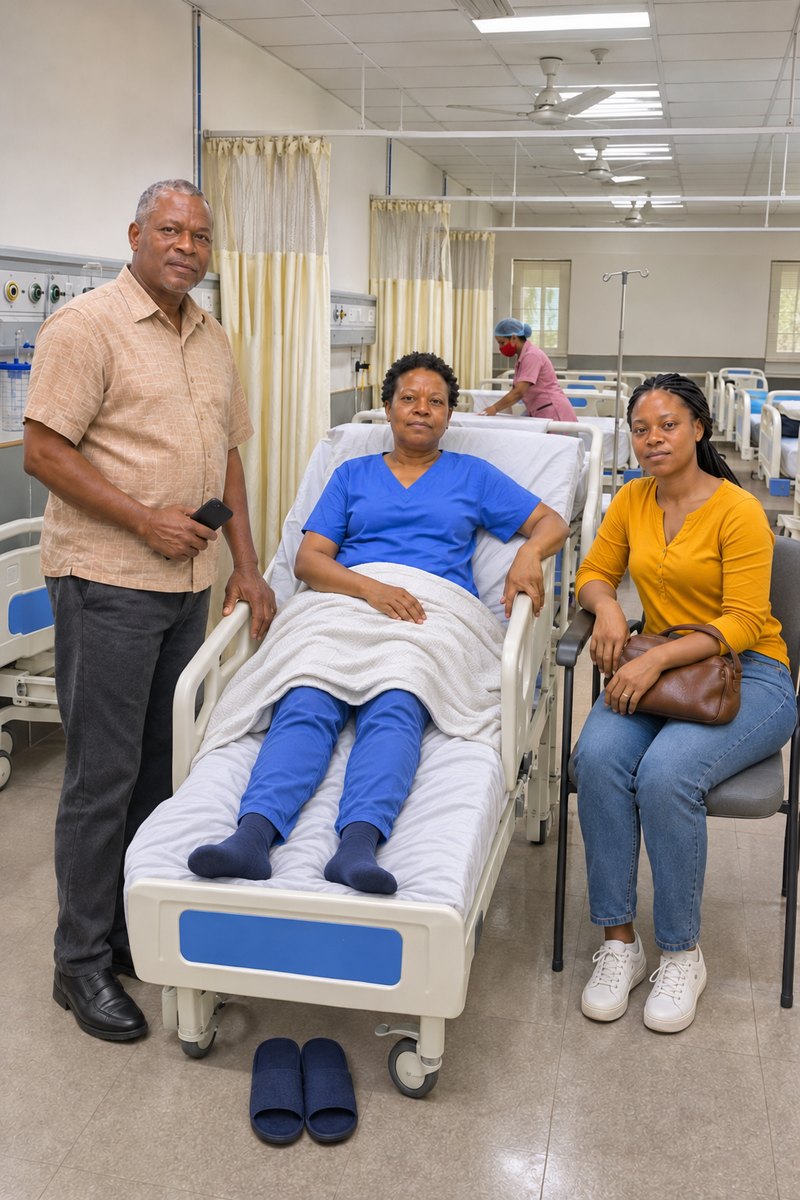
John Okello found it easier to discuss travel arrangements than to admit how much his heart condition worried him. The 38-year-old from Uganda was used to handling things independently. When a CRT-D device was suggested, he read the name several times before asking what it actually meant. His father offered to accompany him to India. John said he could manage, then found himself relieved that the offer was still there.
While exploring a CRT-D Implantation Procedure in India, John contacted the India Cardiac Surgery Team about assessment in Delhi. He wanted the explanation in ordinary language, without feeling embarrassed about unfamiliar terms. The early conversations helped him understand how a specialist review would be arranged. His father asked about accommodation and being nearby during the hospital stay, leaving John space to focus on his medical questions.
The team supported appointment scheduling, medical visa documentation, airport transfers and accommodation arrangements. Before leaving Uganda, John and his father checked their reports and travel details together. It felt strange accepting that kind of help as an adult, but it also meant he was not carrying every responsibility himself. His father did not need to have all the answers to be useful company.
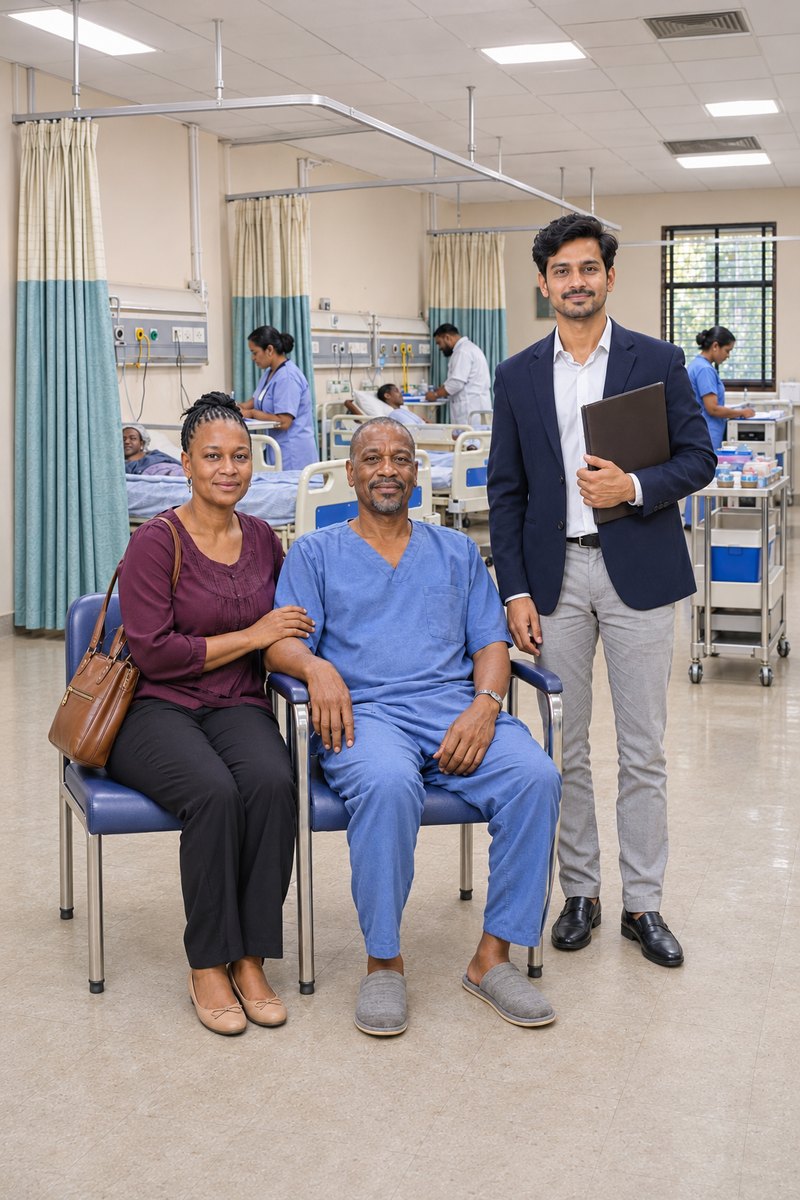
In Delhi, the cardiac specialists reviewed John's history and investigations before discussing whether CRT-D was appropriate. They explained that the device combines treatment to coordinate the heart's pumping chambers with a defibrillator function for certain dangerous rhythms. They also discussed risks, medicines and continuing device checks. John asked them to go over part of the explanation again, this time without worrying about appearing uninformed.
Following assessment in this sample account, John underwent the planned CRT-D Implantation Procedure in India. Staff monitored his early recovery and checked the device. His father sat beside him during quieter periods, sometimes talking and sometimes simply staying quiet. A coordinator helped them manage appointments and reach hospital staff with practical questions.
Before returning home, John reviewed the discharge instructions and follow-up arrangements with the treating team. He understood that the device would be part of continuing care, alongside medicines and reviews as advised. He was not expecting to take on every responsibility immediately. Accepting his father's support felt less uncomfortable now, and they knew what help might be needed in Uganda.
Reflecting on his journey, John shared:
"I did not want my father to think I could not handle things. In the end, having him there made it easier to concentrate on what the doctors were saying. I could ask them to explain something again. I still had things to adjust to, but I was no longer trying to figure everything out by myself."
The India Cardiac Surgery Team wishes Mr. John continued wellbeing and steady progress, and remains committed to supporting international patients with practical coordination and clear communication throughout their treatment journeys.